Description/Usage
6hp
This module is a reverse sigmoid chaos circuit; it can be built to run as a fast or slow CV source, or even as an audio/noise source. This is a single version of the four chaos circuits in the NLC How’s the Serenity module.
The reverse sigmoid circuits are similar in concept to the mackey-glass based design used in the NLC Frisson, but are greatly simplified to a bare minimum of parts. Simply an integrator, two all pass filters and a nonlinear stage with two feedback paths.
The nice thing about this design is you can use any capacitors you like, so long as all three are the same the circuit will work with no other mods required. The capacitors are marked ‘C’ on the PCB, 1uF is a good mid-range value to install, but 10uF, 22uF are good too albeit much slower. Lower values than 100nF get you into audio rate territory. Make sure the capacitors have at least a 25V rating or higher.
This works quite differently to the Sloth chaos circuits, with a number of ripples or rolls between each attractor, also the three outputs track each other, the faster versions are delayed by a few seconds, the slower ones by minutes.
The Input expects a positive CV, negative going CVs won’t hurt but will have no effect. The CV signal feeds into the first all-pass filter stage via 10k and a diode, this is different to the method used on How’s the Serenity. On slower builds, using 10uF caps, the effect of the CV will be washed out to some extent. It will still have an effect but not as noticeably as on the faster versions.
Check the demo video on How’s the Serenity page to see what this module can do.
DIY
Description/Usage
6hp
This module is a reverse sigmoid chaos circuit; it can be built to run as a fast or slow CV source, or even as an audio/noise source. This is a single version of the four chaos circuits in the NLC How’s the Serenity module.
The reverse sigmoid circuits are similar in concept to the mackey-glass based design used in the NLC Frisson, but are greatly simplified to a bare minimum of parts. Simply an integrator, two all pass filters and a nonlinear stage with two feedback paths.
The nice thing about this design is you can use any capacitors you like, so long as all three are the same the circuit will work with no other mods required. The capacitors are marked ‘C’ on the PCB, 1uF is a good mid-range value to install, but 10uF, 22uF are good too albeit much slower. Lower values than 100nF get you into audio rate territory. Make sure the capacitors have at least a 25V rating or higher.
This works quite differently to the Sloth chaos circuits, with a number of ripples or rolls between each attractor, also the three outputs track each other, the faster versions are delayed by a few seconds, the slower ones by minutes.
The Input expects a positive CV, negative going CVs won’t hurt but will have no effect. The CV signal feeds into the first all-pass filter stage via 10k and a diode, this is different to the method used on How’s the Serenity. On slower builds, using 10uF caps, the effect of the CV will be washed out to some extent. It will still have an effect but not as noticeably as on the faster versions.
Check the demo video on How’s the Serenity page to see what this module can do.
DIY
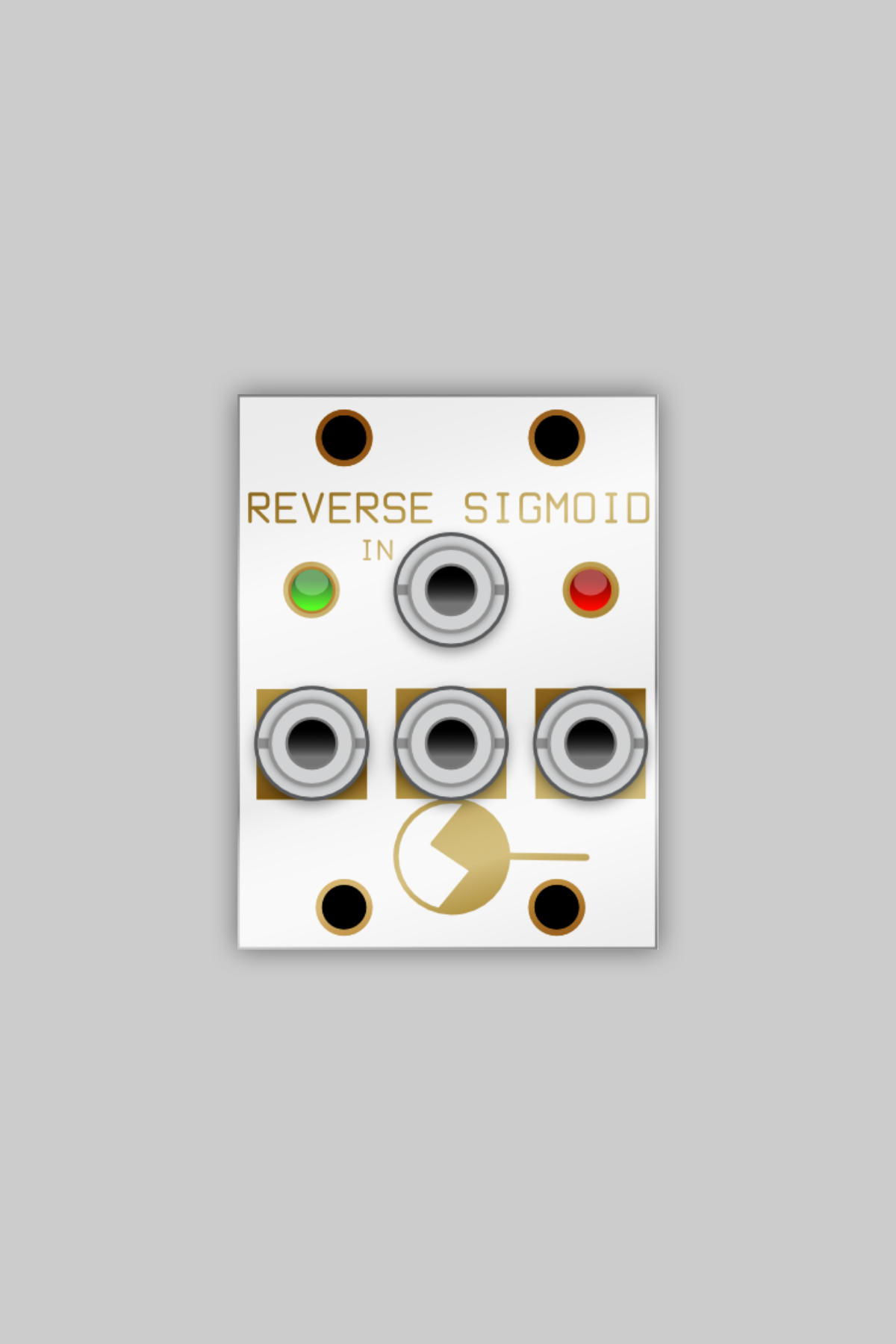 Image 1 of 6
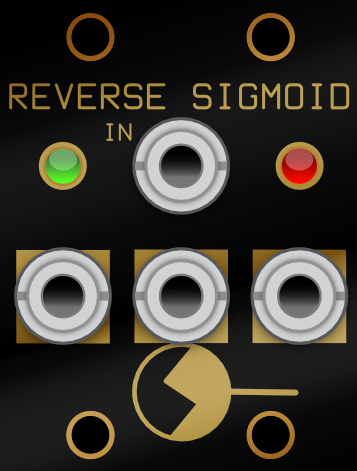 Image 2 of 6
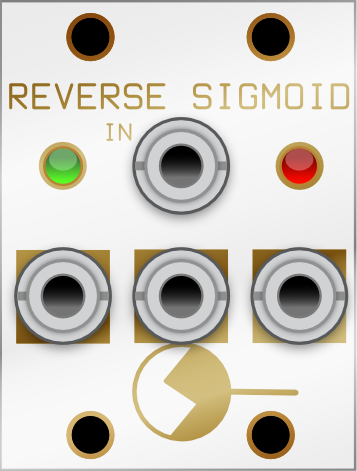 Image 3 of 6
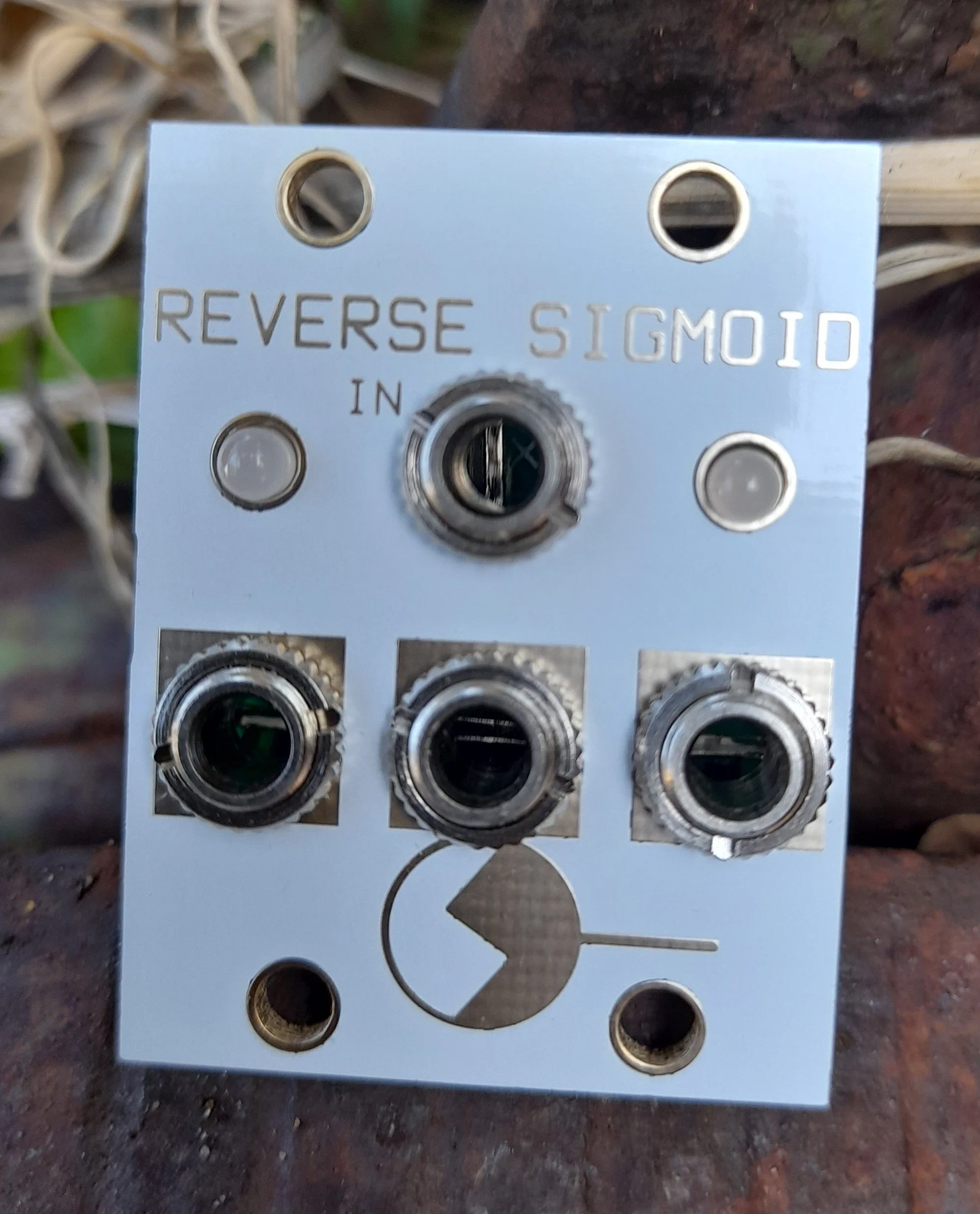 Image 4 of 6
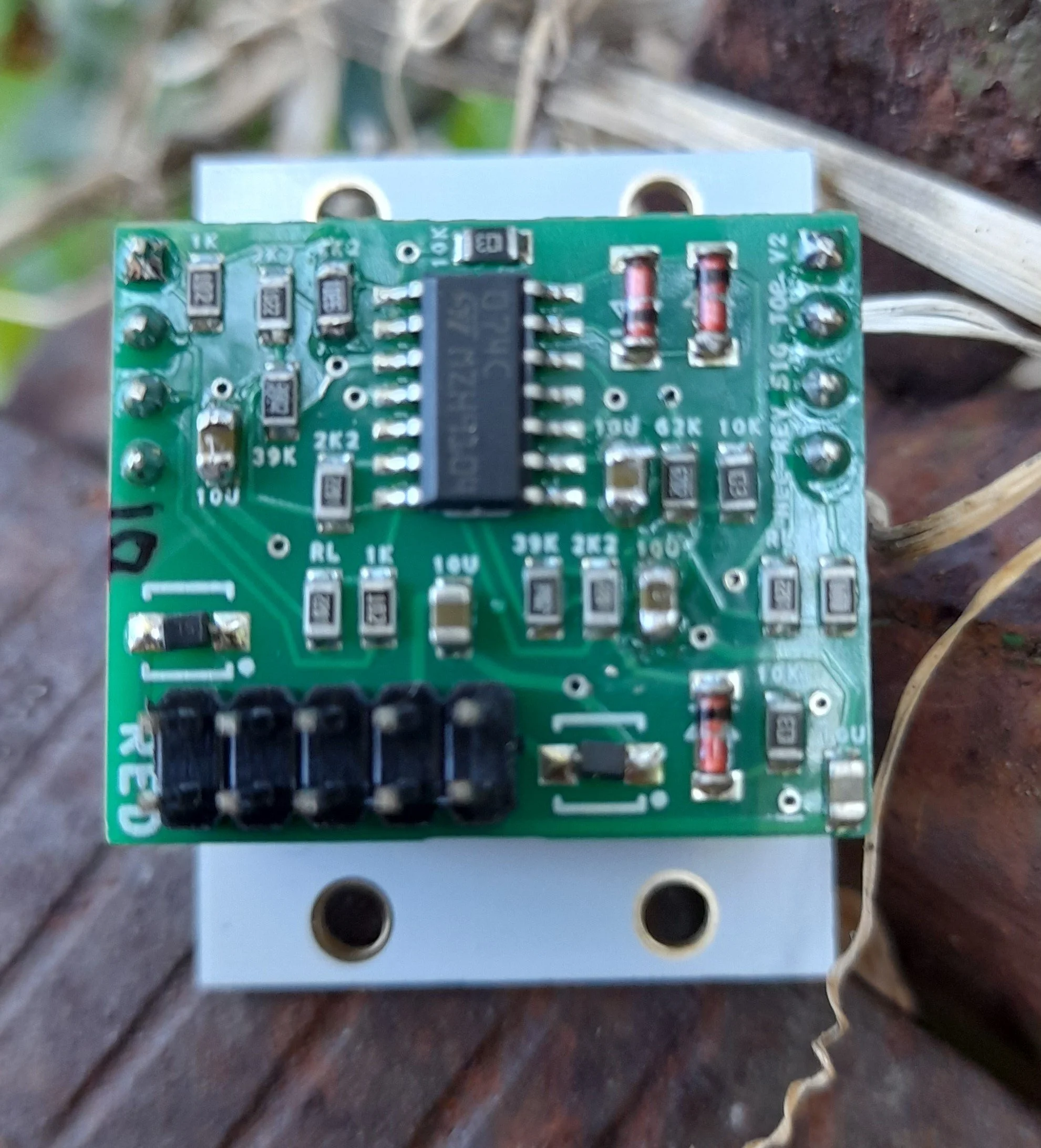 Image 5 of 6
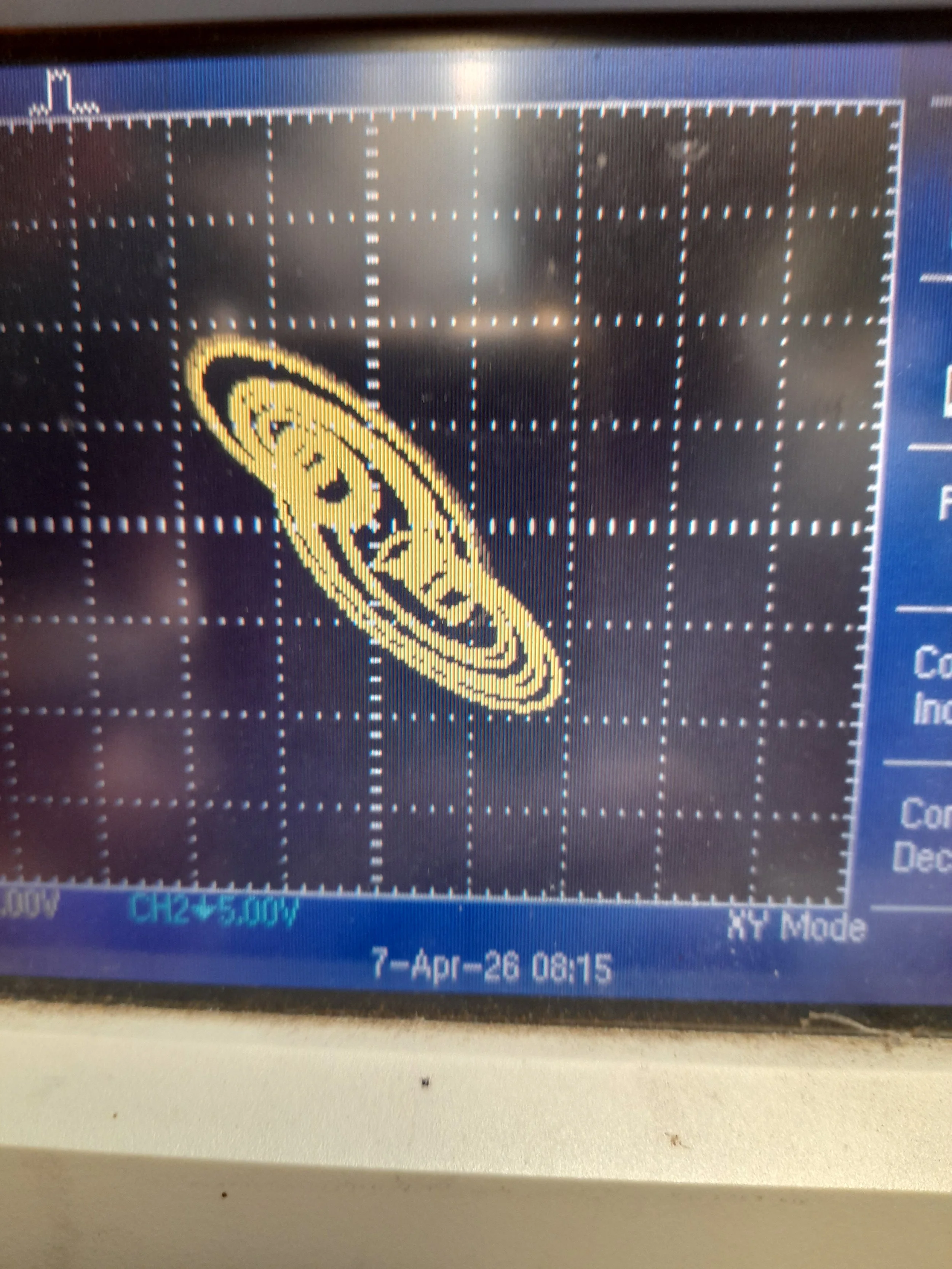 Image 6 of 6