Description/Usage
80hp…………Yes 80
36 channel voltage controlled comb filter aka string filter.
This module has some history. In 2018, I was part of a team putting on a show with CellF at the Todays Art festival in Den Haag. I popped down to Rotterdam to visit Dennis (aka Mono-Poly) and his studio of vintage lab gear. Dennis had an incredible patch going centred around a Bruel & Kjaer 36 channel Spectrum Shaper. Listen to his album Testlab to hear how it sounds. I just knew I had to make something like it one day. This type of filter is often called a ‘String filter’, used to emulate stringed instruments tho don’t feel limited by that.
Fast forward to 2026, I read an AES paper by R. Burhans describing his 36 channel comb filter. It reminded me there were some designs in Electronotes, so I looked them up and discovered they were both inspired by and heavily influenced by Burhans, particularly in terms of the comb filter frequencies and spacing. One was a 40 channel version by Ian Fritz using transistor based filters. He had an interesting mod, originally suggested by Lester Ludwig, where each set of 6 filters had a feedback pot. Some screenshots from these articles are at the end of this build guide. The relevant Electronotes issues 107, 115 and 116 can be found online.
The Bernie Hutchins design used 39 regular op amp based filters, along with Ian’s feedback per 6 filters mod and added an inverter so the feedback could be positive or negative (so, centre off). Negative feedback ‘flattens’ the peaks somewhat and smears the sound, positive feedback makes the peaks narrower and higher (if tuned for it, you can make them self-oscillate, see notes). Bernie also added a noise gate on the output, summing 39 channels is always going to be noisy.
This version uses 36 LM3900 based filters, as per the original Burhans design, although some values have been changed to suit the current availability of common 0805 components. Putting the filters in groups of 6 meant we can use the 6 channel SSI2190 VCA/mixer chips. So we get to voltage control the amplitude of every channel and have a pot for positive and negative feedback and an individual output for each section of 6 filters.
Each of the 6 sections has its own vactrol based noise gate, as does the main output. You can also add voltage limiting Zener diodes on the main outputs but this is entirely optional.
You will need an oscilloscope and a VCO with sine out and a Fine tune pot to tune the filters. I mainly used my FM Op module. The oscilloscope should be one that can give frequency readings, preferably 2 channels.
This is a great big build, the SSI2190 are not easy to solder. Even just placing the components for baking in my reflow oven takes a few hours and I know where everything goes. Tuning 36 filters will take a fair bit of time although is not particularly difficult, most likely along with some trouble-shooting for solder errors.
This is the kind of build that can kill the joy of DIY, especially if you are new to it. Please think carefully if you really want to build this thing before diving into it. I have long wanted one for myself and was quite surprised at the positive response received when I asked on Instagram if anybody was interested in it. Unless your name is Syd Heresy, I suggest take your time and build it in stages with long breaks to go outside and relax, rather than one long sitting.
Limited quantities of sliders and SSI2190 are available in the PARTS section
The build guide may get some updates, so please check you have the latest version (currently V5 uploaded 15/9/2026)
Sept 2026 - .All the panels from the 1st run have some blemishes on them, usually caused by the manufacturing process or packaging. It is just how it is with large PCB panels. Most of the marks are very minor, just none are 100% perfect. The ones that have actual scratches from careless handling are B stock.
DIY
Build Guide & BOM V5 (pdf)
Panel Template
Stencil Gerbers
Description/Usage
80hp…………Yes 80
36 channel voltage controlled comb filter aka string filter.
This module has some history. In 2018, I was part of a team putting on a show with CellF at the Todays Art festival in Den Haag. I popped down to Rotterdam to visit Dennis (aka Mono-Poly) and his studio of vintage lab gear. Dennis had an incredible patch going centred around a Bruel & Kjaer 36 channel Spectrum Shaper. Listen to his album Testlab to hear how it sounds. I just knew I had to make something like it one day. This type of filter is often called a ‘String filter’, used to emulate stringed instruments tho don’t feel limited by that.
Fast forward to 2026, I read an AES paper by R. Burhans describing his 36 channel comb filter. It reminded me there were some designs in Electronotes, so I looked them up and discovered they were both inspired by and heavily influenced by Burhans, particularly in terms of the comb filter frequencies and spacing. One was a 40 channel version by Ian Fritz using transistor based filters. He had an interesting mod, originally suggested by Lester Ludwig, where each set of 6 filters had a feedback pot. Some screenshots from these articles are at the end of this build guide. The relevant Electronotes issues 107, 115 and 116 can be found online.
The Bernie Hutchins design used 39 regular op amp based filters, along with Ian’s feedback per 6 filters mod and added an inverter so the feedback could be positive or negative (so, centre off). Negative feedback ‘flattens’ the peaks somewhat and smears the sound, positive feedback makes the peaks narrower and higher (if tuned for it, you can make them self-oscillate, see notes). Bernie also added a noise gate on the output, summing 39 channels is always going to be noisy.
This version uses 36 LM3900 based filters, as per the original Burhans design, although some values have been changed to suit the current availability of common 0805 components. Putting the filters in groups of 6 meant we can use the 6 channel SSI2190 VCA/mixer chips. So we get to voltage control the amplitude of every channel and have a pot for positive and negative feedback and an individual output for each section of 6 filters.
Each of the 6 sections has its own vactrol based noise gate, as does the main output. You can also add voltage limiting Zener diodes on the main outputs but this is entirely optional.
You will need an oscilloscope and a VCO with sine out and a Fine tune pot to tune the filters. I mainly used my FM Op module. The oscilloscope should be one that can give frequency readings, preferably 2 channels.
This is a great big build, the SSI2190 are not easy to solder. Even just placing the components for baking in my reflow oven takes a few hours and I know where everything goes. Tuning 36 filters will take a fair bit of time although is not particularly difficult, most likely along with some trouble-shooting for solder errors.
This is the kind of build that can kill the joy of DIY, especially if you are new to it. Please think carefully if you really want to build this thing before diving into it. I have long wanted one for myself and was quite surprised at the positive response received when I asked on Instagram if anybody was interested in it. Unless your name is Syd Heresy, I suggest take your time and build it in stages with long breaks to go outside and relax, rather than one long sitting.
Limited quantities of sliders and SSI2190 are available in the PARTS section
The build guide may get some updates, so please check you have the latest version (currently V5 uploaded 15/9/2026)
Sept 2026 - .All the panels from the 1st run have some blemishes on them, usually caused by the manufacturing process or packaging. It is just how it is with large PCB panels. Most of the marks are very minor, just none are 100% perfect. The ones that have actual scratches from careless handling are B stock.
DIY
Build Guide & BOM V5 (pdf)
Panel Template
Stencil Gerbers
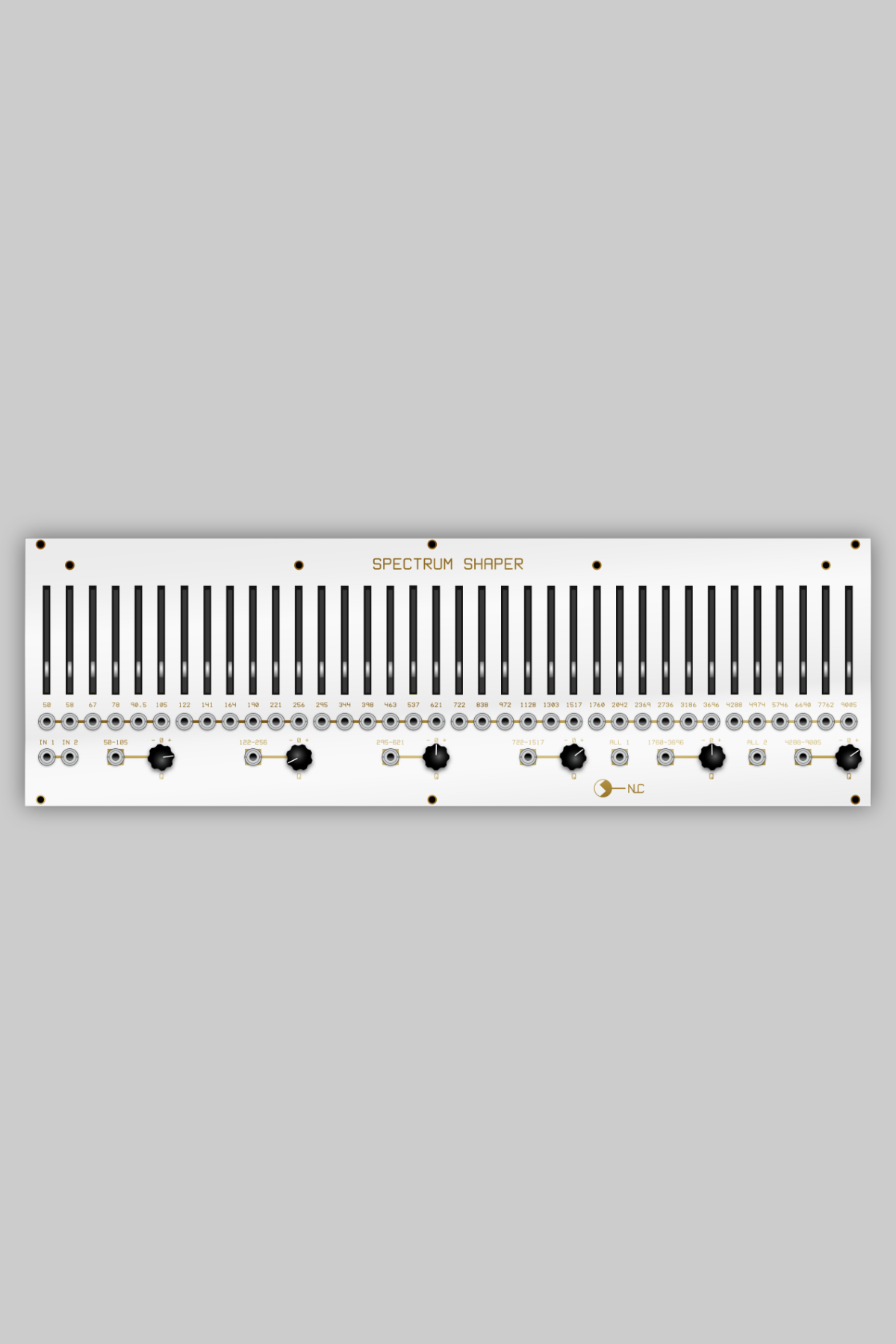 Image 1 of 10
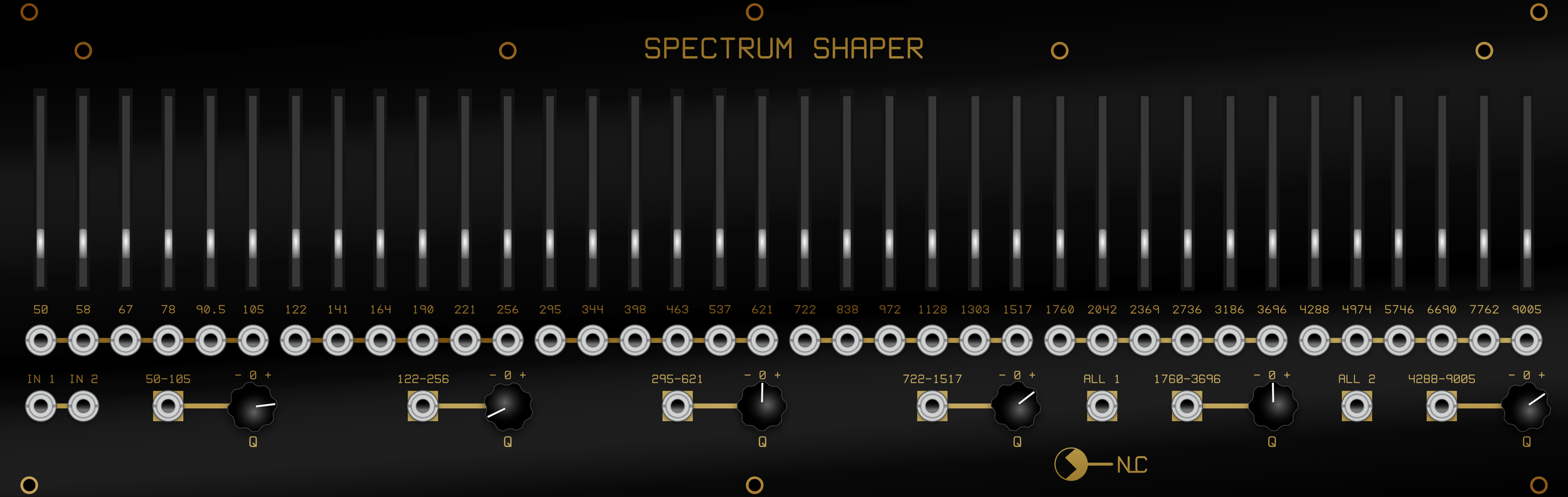 Image 2 of 10
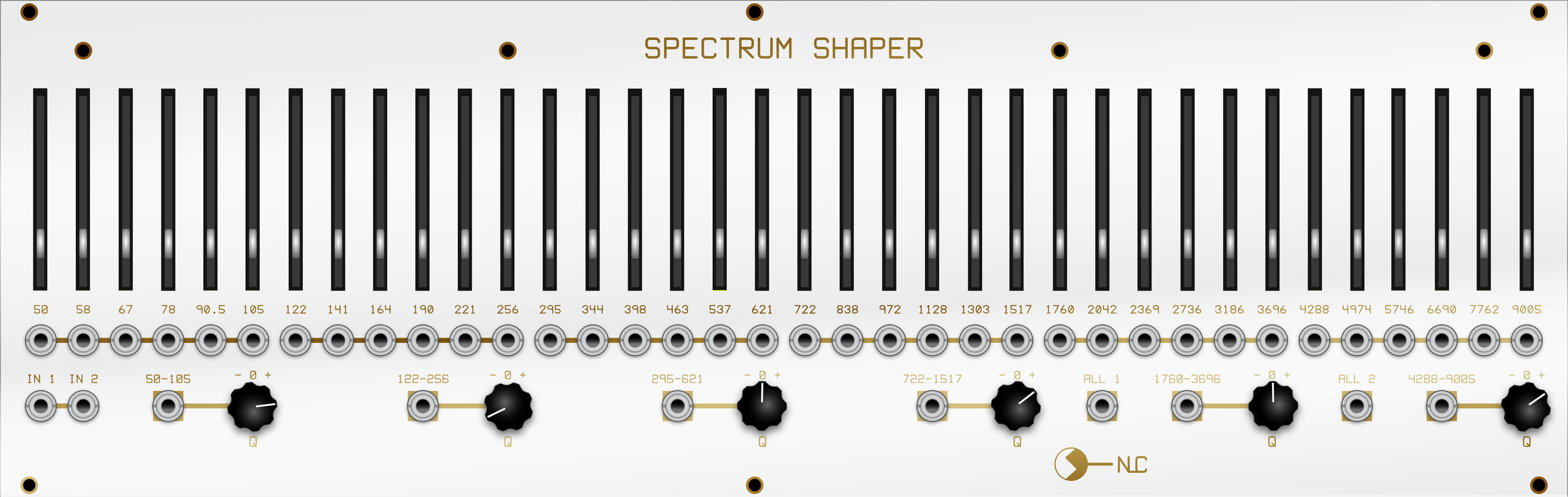 Image 3 of 10
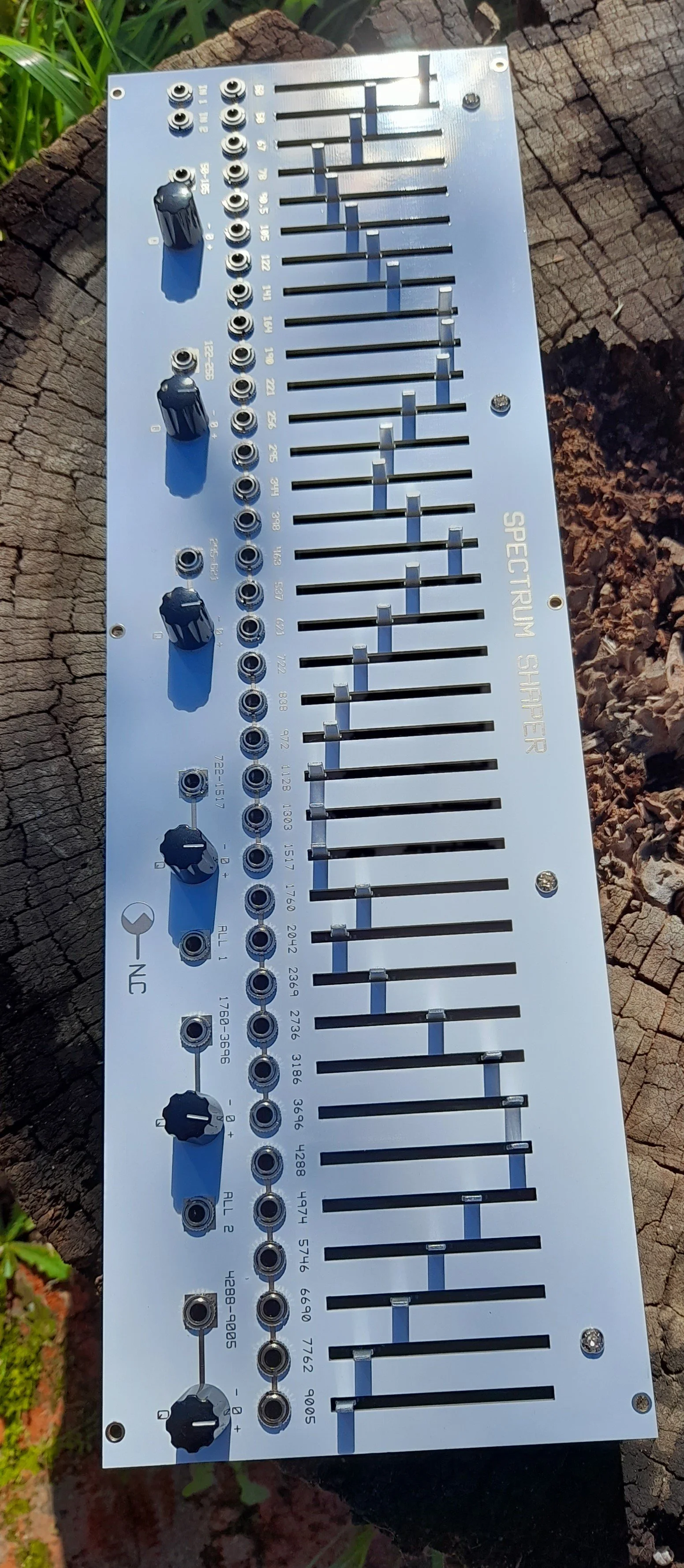 Image 4 of 10
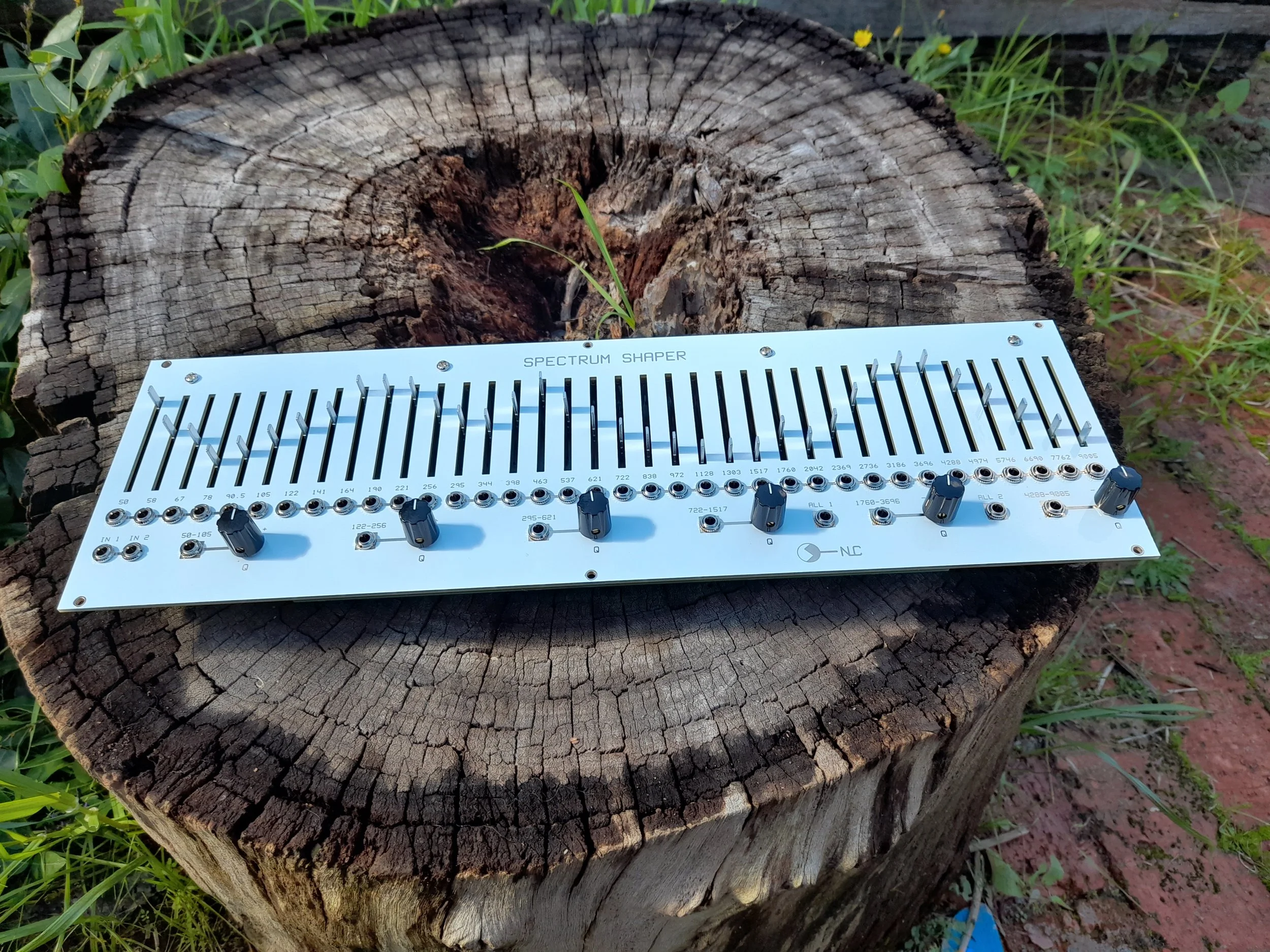 Image 5 of 10
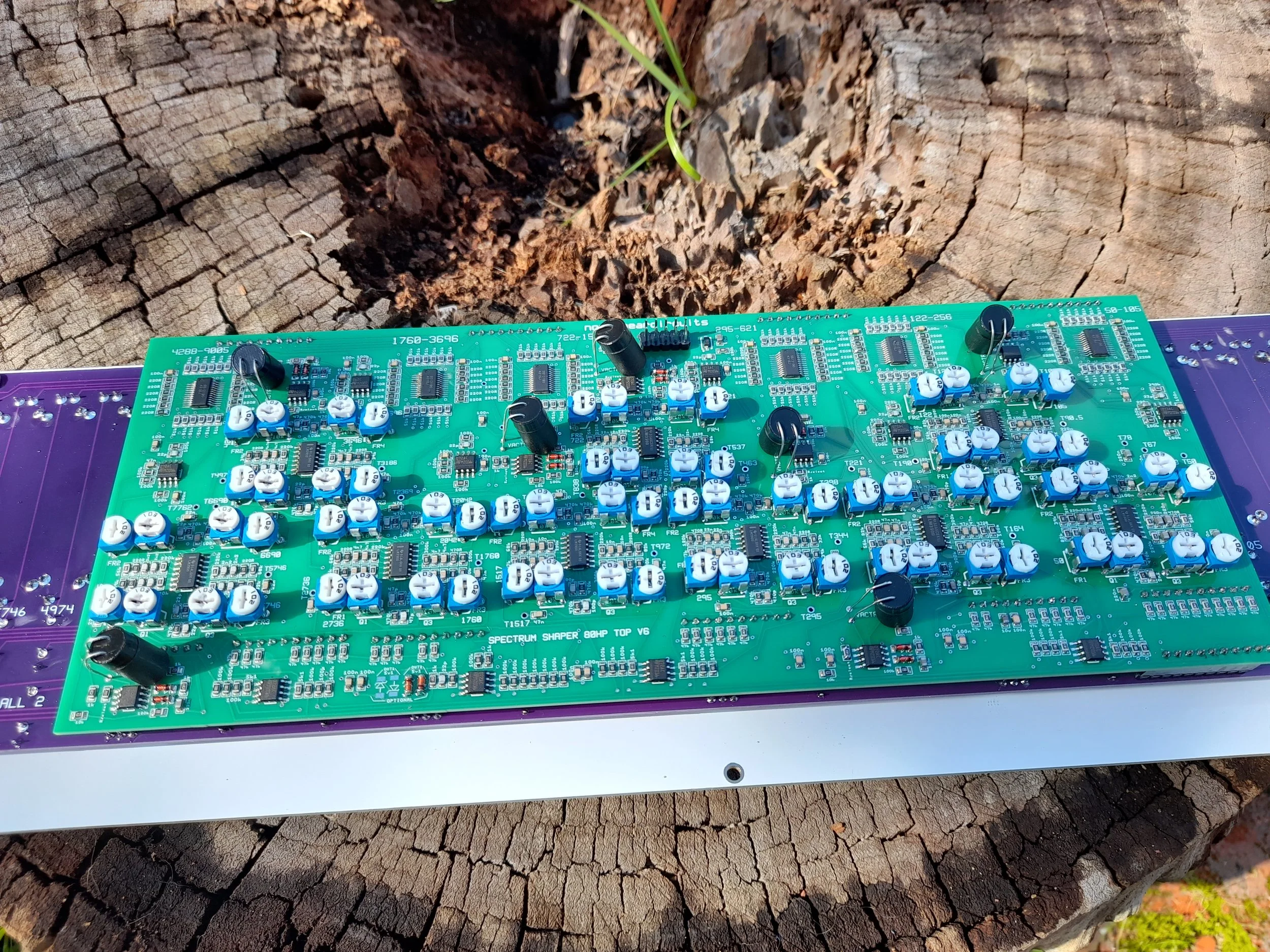 Image 6 of 10
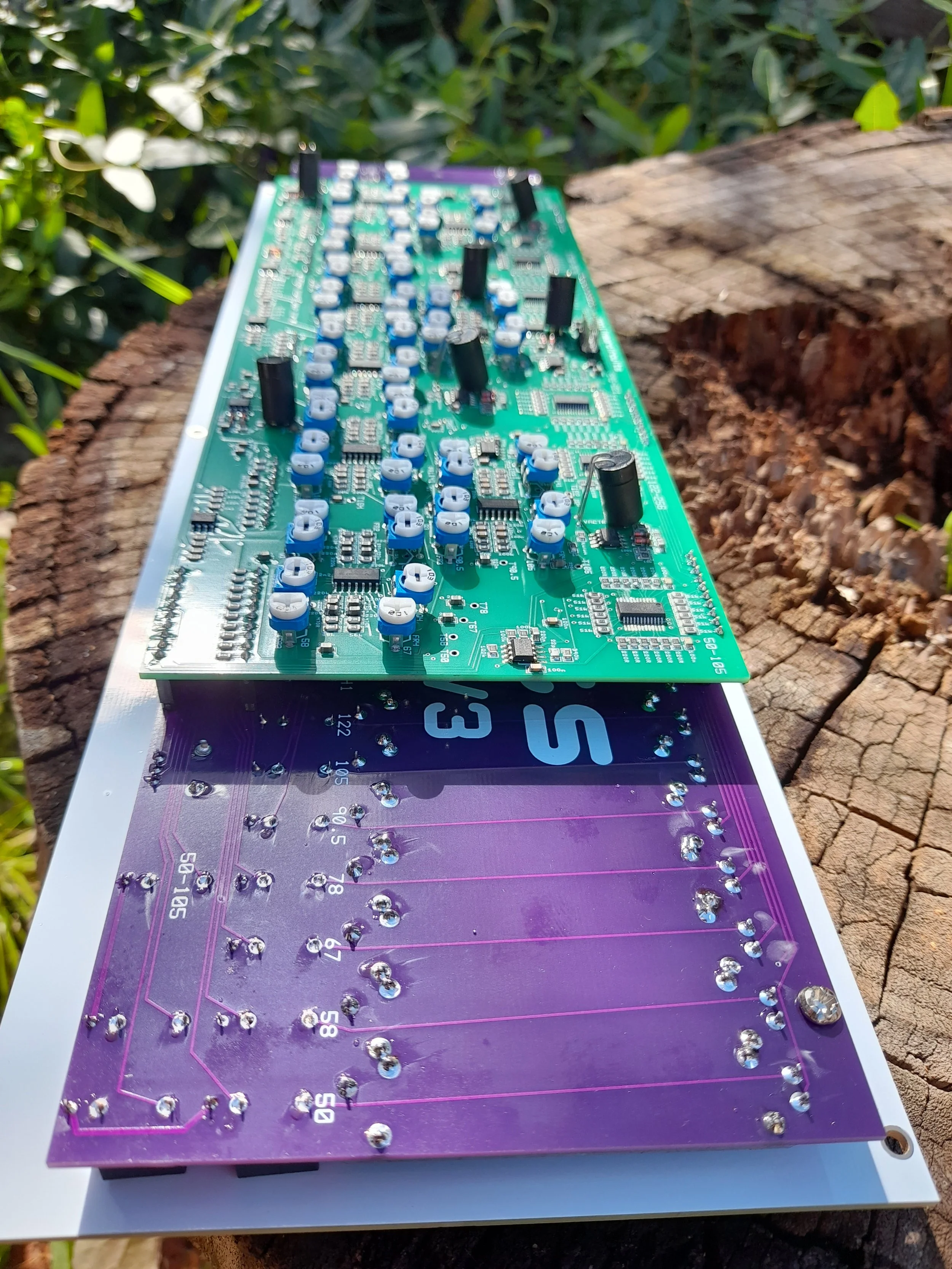 Image 7 of 10
 Image 8 of 10
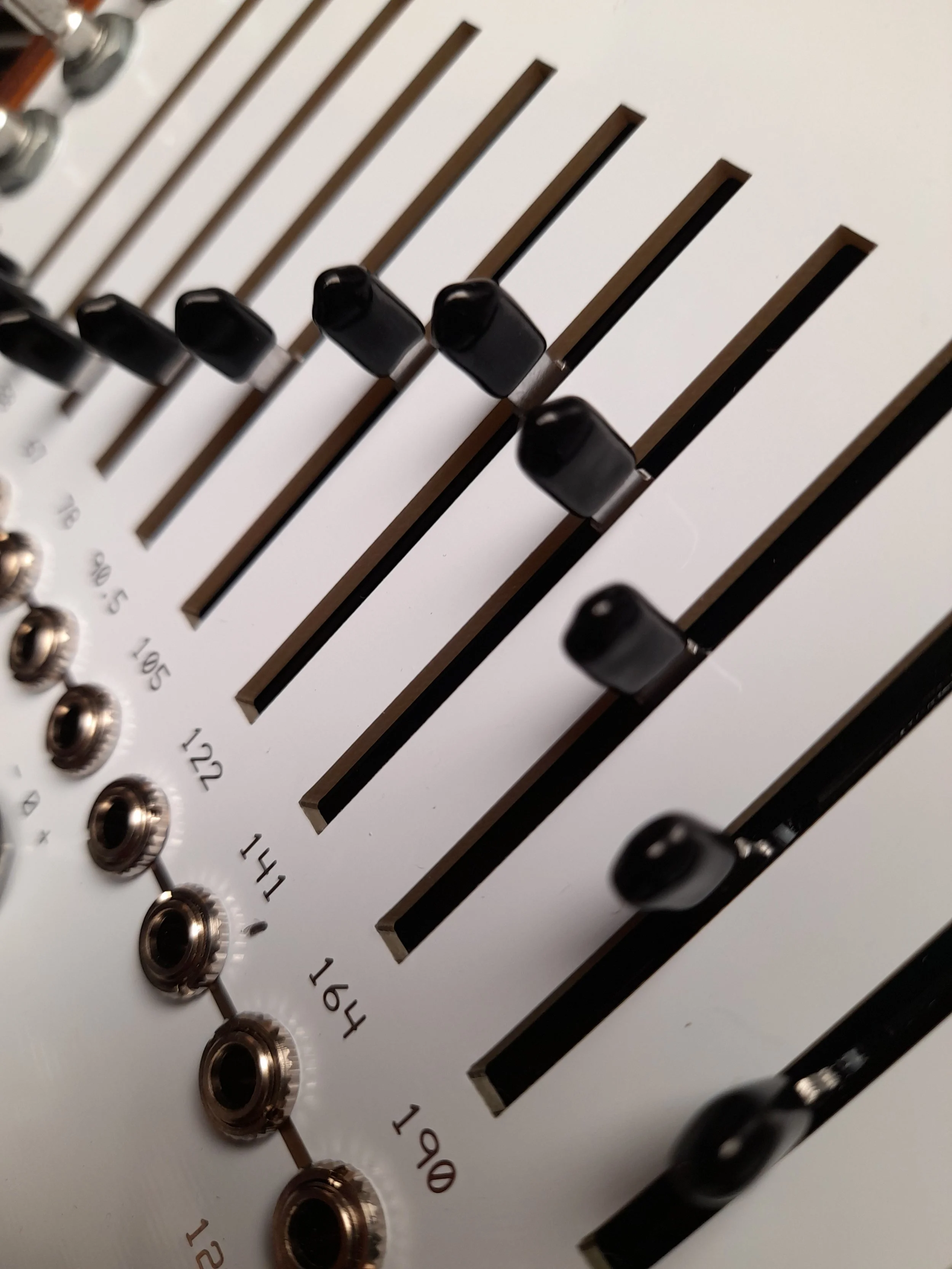 Image 9 of 10
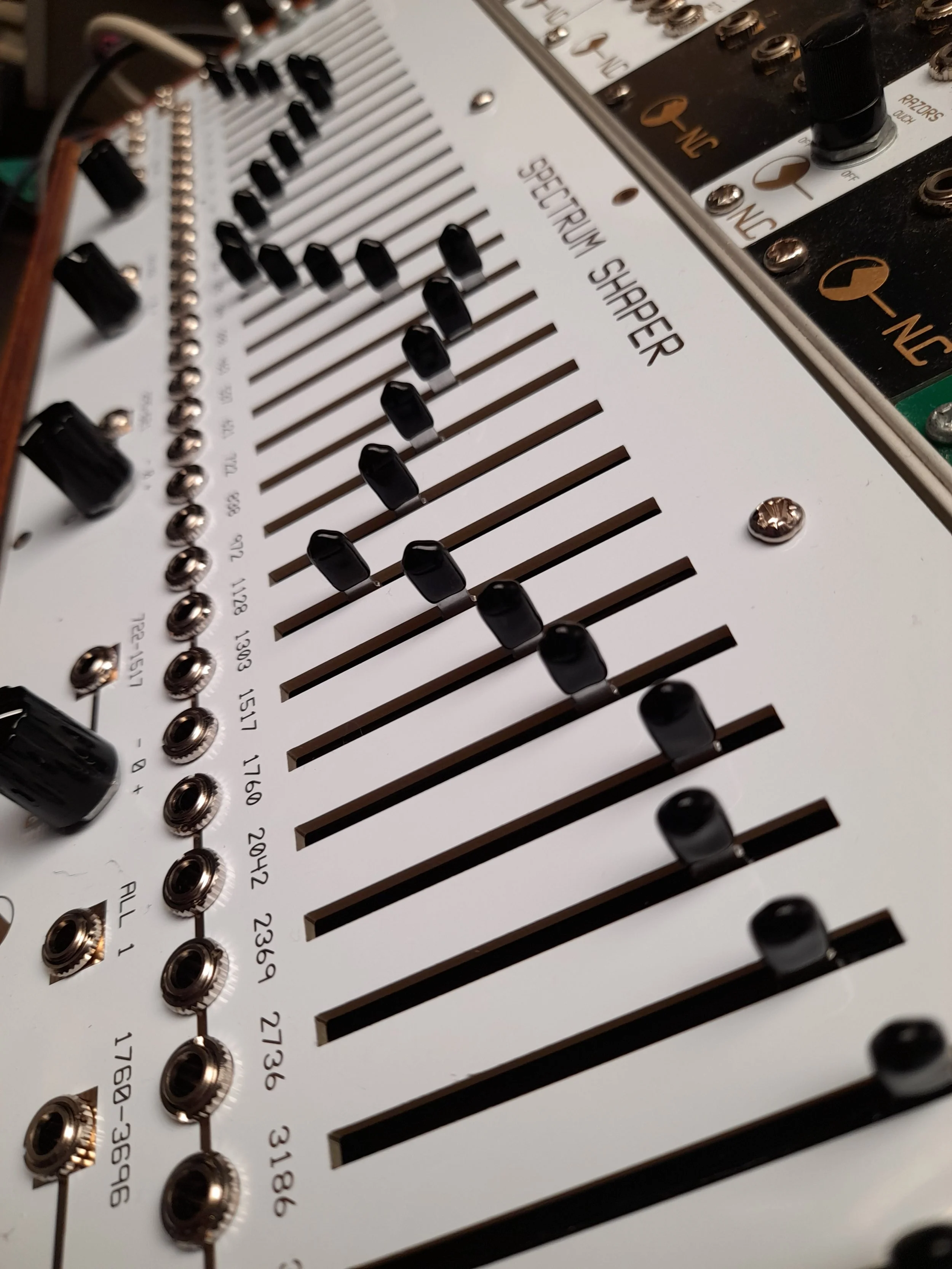 Image 10 of 10